Special OffersPay Online
(770) 475-7419GET FREE ESTIMATE

Pest Control

How Landscaping Affects Pest Activity in Atlanta

By R. Blake Edwards, ACE, PHE Certificate HolderAugust 4, 20265 min read

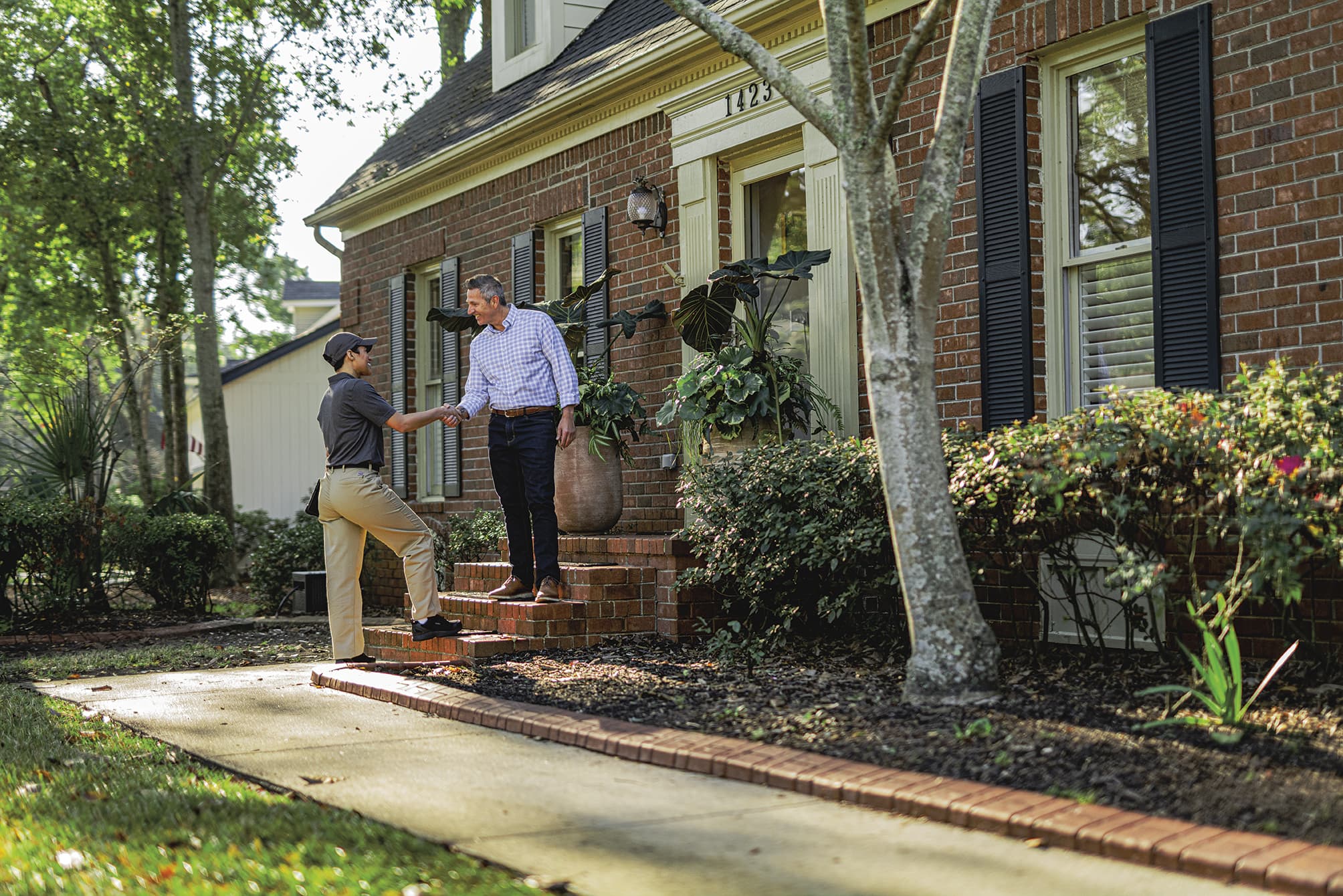
Person guiding couple about pest control

Overview

How landscaping affects pest pressure.

Landscaping can raise or lower pest pressure around an Atlanta home because it changes four things pests depend on: moisture, shelter, food, and access. Dense shrubs, overwatered beds, deep mulch against the house, leaf litter, standing water, and branches touching the roof can turn an attractive yard into a protected route from the landscape to the structure. Thoughtful spacing, drainage, cleanup, and monitoring help break that route without stripping the yard of healthy plants or beneficial insects.

Metro Atlanta's long warm season, frequent summer storms, mature tree canopy, and many compacted-clay lots can allow water and shade to persist around a home. Those local conditions do not automatically cause an infestation, but they make drainage, plant spacing, and routine perimeter inspections especially important.

On Atlanta-area inspections, the pattern is rarely one dramatic landscaping mistake. More often, several small conditions overlap: shade slows drying, irrigation adds water, mulch or debris provides cover, and a nearby crack or gap completes the path indoors. Correcting that chain is often more useful than treating one visible insect and waiting for the next one to appear.

What this guide covers

This guide focuses on pests that affect people and buildings - including mosquitoes, ants, outdoor cockroaches, termites, rodents, ticks, and occasional invaders. It does not suggest that every insect in a garden is a problem. Pollinators, predators, and decomposers belong in a healthy Atlanta landscape.

Rodents

Yard to house pathway

A pest problem becomes more likely when the landscape supplies several needs in the same place.


The most effective landscaping changes interrupt more than one of these conditions at once. Trimming a dense shrub away from the house, for example, can improve airflow, speed drying, expose the foundation for inspection, and remove a protected bridge to the siding.

No obligation — takes 60 seconds

Moisture

Irrigation overspray, clogged gutters, low spots, shaded soil, leaking hose bibs, and containers that hold rainwater.

Shelter

Dense groundcover, heavy leaf litter, deep mulch, stacked wood, hollow landscape timbers, rock piles, and objects lying flat on soil.

Food

Fallen fruit, unsecured compost, pet food, bird seed, trash residue, plant-feeding insects, and decaying organic material.

Access

Shrubs against siding, vines on walls, branches over the roof, mulch covering the foundation edge, and gaps around doors, pipes, vents, or utility lines.

CERTIFIED AND TRUSTED

sentricontermidorQualityPro accreditationpublic healthace

understanding pests triggers

Seven landscaping conditions that influence pest activity

taking action

A practical landscaping plan for reducing pest pressure

Start at the house and work outward. The first few feet around the structure have the greatest effect on whether outdoor pests find a protected path inside.

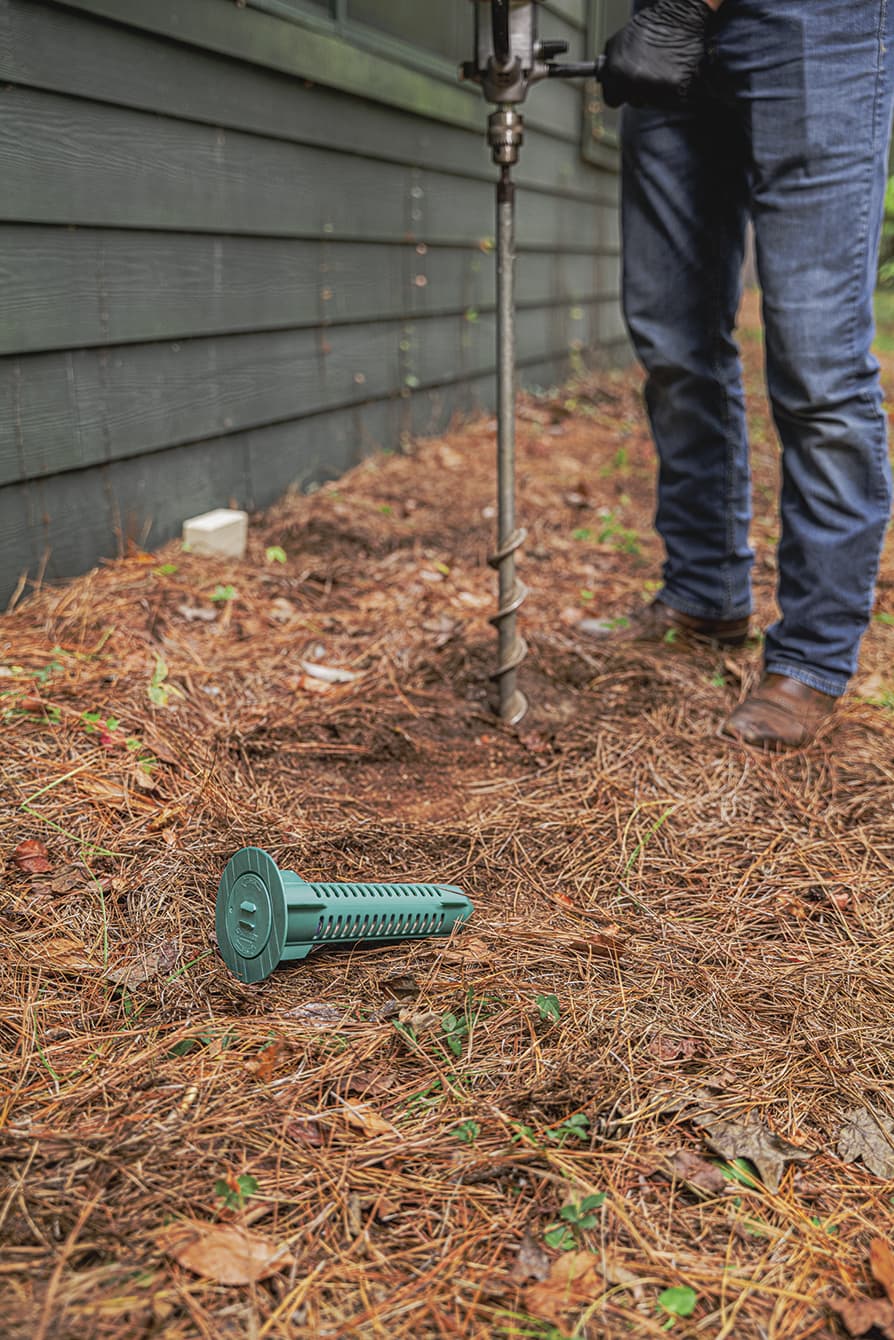
Drilling Earth

quick summary

This is integrated pest management in practical terms:

  • Identify the pest
  • Remove the conditions helping it
  • Exclude it from the structure
  • Monitor the results
  • Use targeted treatment only when it is needed
01

Expose the foundation

Pull back groundcover, mulch, stored pots, and debris so you can inspect exterior walls, doors, vents, and utility penetrations.

02

Track water flow

Note gutter overflow, downspout discharge, overspray, puddles, soggy mulch, and areas that remain shaded and wet.

03

Eliminate bridges

Trim foliage off siding, keep vines controlled, and address branches that provide access toward the roof.

04

Clear standing hazards

Empty containers, clear leaf mats, organize stacked materials, and relocate firewood.

05

Secure food sources

Secure trash and compost, clean up fallen fruit and bird seed, and bring pet food inside.

06

Observe before acting

Photograph pests, note where and when they appear, and look for repeat patterns after rain, irrigation, pruning, or seasonal leaf drop.

07

Match response to the risk

Habitat correction may solve a small problem. Repeated activity, structural entry, termite signs, or a stinging-insect nest may require professional identification and a targeted plan.

Avoid these habits

Mistakes that attract pests

Small habits in the yard can quietly undo an otherwise solid pest prevention plan.

Do not try to make the yard insect-free

A healthy landscape contains insects. Trying to eliminate all of them can harm pollinators and beneficial predators without fixing the moisture or access problem that brought pests close to the home.

Do not assume mulch causes termites

Mulch doesn't cause termites, but damp material against the foundation can hide inspection areas and support the conditions they use. Keep the foundation visible, correct moisture, and don't disturb monitoring stations.

Do not rely on "pest-repelling" plants as the main control

Aromatic plants may be nice additions, but a few herbs won't offset standing water, dense harborage, accessible food, or building openings. Build the plan around conditions you can verify."

Do not blanket-spray flowering beds

Treatment should be based on correct identification and label directions. Broad applications near flowering plants can create unnecessary exposure to pollinators. If needed, use a focused approach suited to the pest and site.

knowing the limits

When are landscaping changes not enough?

Call a pest professional when you see repeated indoor activity, termite tubes or swarmers, rodent droppings, a stinging-insect nest in a high-traffic area, or mosquito pressure that persists after water sources are corrected. A useful inspection connects yard conditions with entry points at the structure, not treating them separately.

Get your FREE estimate today!

North Fulton Pest Solutions can evaluate pest activity around the yard and home, identify conducive conditions, and recommend a targeted next step.

Get your FREE quote hereCall us (770) 475-7419

No obligation — takes 60 seconds

Learn more about services in Atlanta

BBB
ECO Friendly
NPMA
Knowing your limits

general inquiries

Frequently Asked Questions

Discover

Blog and articles you may like

pest control

Gutter & Roofline Audit: 20-Minute Post-Storm Walk

A quick, 20-minute post-storm audit to help prevent mosquito breeding and moisture issues, with gutter, downspout, and roofline checks that pay off fast. Call 770-475-7419 to schedule a free estimate.

By R. Blake Edwards

April 8, 2026

mosquito control

Shade-Garden Tactics: Spacing & Airflow to Cut Bites

Simple shade-garden fixes such as plant spacing, airflow, and mulch gaps can help reduce mosquito resting around your home. Call 770-475-7419 to schedule a free estimate.

By R. Blake Edwards

April 8, 2026

pest control

When Is Mosquito Season in Dunwoody, GA?

Learn when mosquito season begins and peaks in Dunwoody, GA, how weather impacts activity, and why early prevention helps reduce biting pressure around your home. Call 770-475-7419 to schedule a free estimate.

By R. Blake Edwards

March 4, 2025

See all

A team of highly trained, service oriented technicians

For over 50 years, North Fulton Pest Solutions has been protecting homes and businesses just like yours. We’re a third generation, locally-owned and family-operated business headquartered in Alpharetta, Georgia, and we take training, education, and our service seriously.

All of our team members have earned the designation of Registered Technician in the Household Pest Control and Wood Destroying Organisms categories. In order to earn the Registered Technician designation, employees must complete both classroom and field based training and pass a written examination. Continuing education and training must be attended in order to maintain Registration. Among the ranks of North Fulton Pest Solutions, you will also find Structural Pest Control Certified Operators (a level of certification above and beyond that of Registered Technician), Commercial Trapping License and Nuisance Wildlife Control Operator Permit Holders, and Certified Commercial Pesticide Applicators in the following categories:

  • Household Pest Control
  • Wood Destroying Organisms
  • Commercial Mosquito Control
  • Ornamental and Turf Pest Control

Furthermore, North Fulton Pest Solutions is proud to be your local Certified Sentricon Specialist™ and Termidor® Certified Professional in the greater Atlanta metropolitan area. Additionally, we take great pride in maintaining an Associate Certified Entomologist and the nation’s second and the state of Georgia’s first Public Health Entomology Certificate Holder on staff. Our knowledge of insects, pests, vectors and the diseases they carry enables us to determine the best possible pest control solution for any situation. We invite you to ask us questions about Georgia insects, pests, or about the pest control services and solutions we offer.

Contact Background