
Understanding Mosquito Season in Dunwoody, GA
If you live in Dunwoody, you’ve likely noticed that mosquito activity doesn’t wait until the middle of summer. In Dunwoody, mosquito season often begins earlier than many homeowners expect and can last longer than anticipated due to the area’s mild climate and frequent rainfall.
Understanding when mosquito season starts, peaks, and tapers off can help you prepare early and reduce biting pressure around your home.
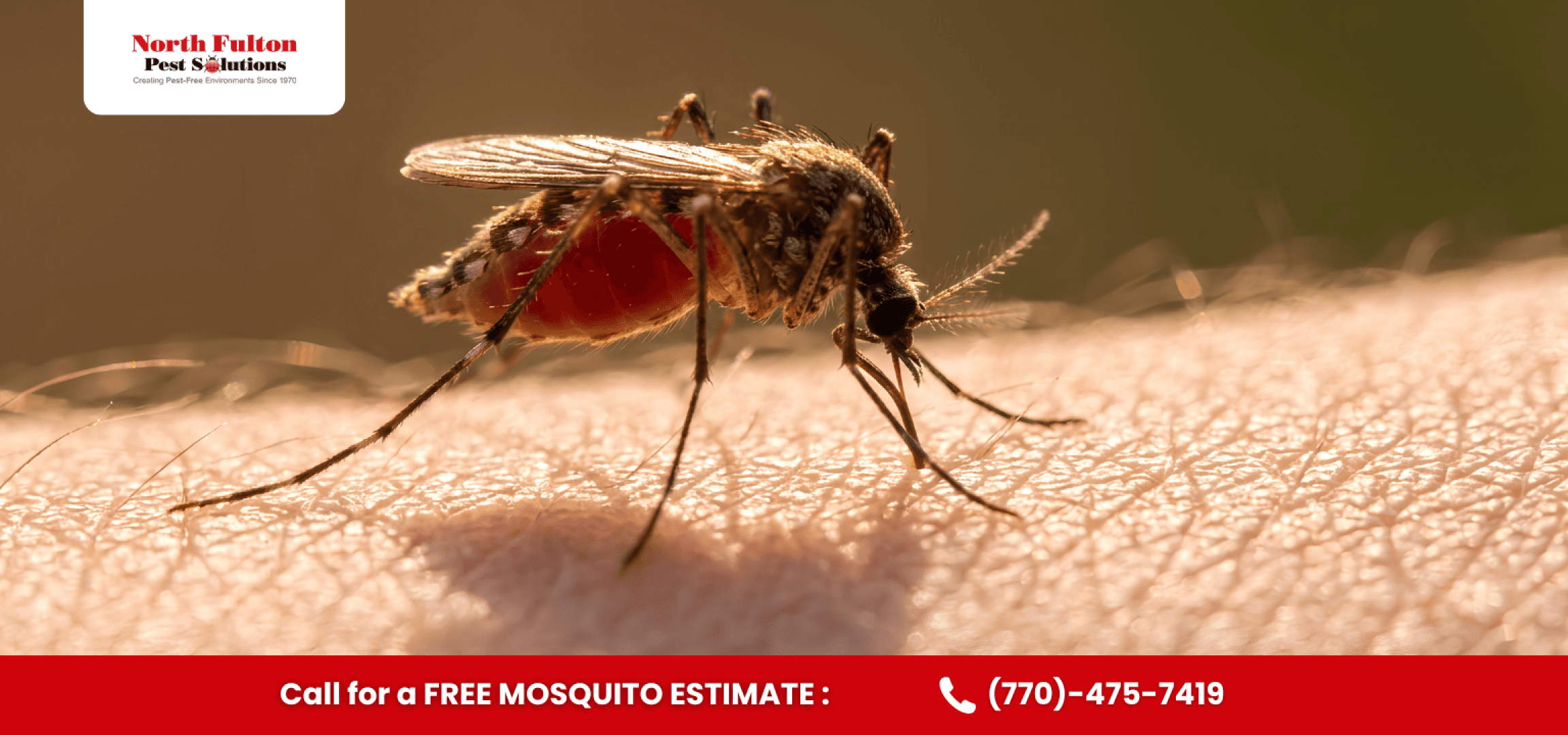
When Mosquito Season Typically Begins in Dunwoody
In Dunwoody and surrounding areas, mosquito season usually begins in early to mid-spring, often as early as March. As soil temperatures warm and rainfall increases, mosquito eggs laid during previous months begin to hatch.
Even a few consecutive warm days combined with standing water can trigger early mosquito development. Homeowners may start noticing light activity around shaded yards, landscaping, and perimeter areas during this time.
While activity in early spring may seem minor, it often signals the beginning of a longer seasonal cycle and a good time to consider professional mosquito control.
Peak Mosquito Months in Dunwoody
Mosquito activity typically peaks between late May and September in Dunwoody. During these months, several factors combine to create ideal breeding conditions:
- Consistent warm temperatures
- High humidity
- Frequent thunderstorms
- Standing water accumulation
July and August often bring the highest levels of activity due to sustained heat and moisture. Shaded yards, dense shrubs, and areas with limited airflow can become common resting zones for adult mosquitoes.
Although mosquito numbers may decline in early fall as temperatures drop, activity typically persists into October.
What Causes Mosquito Activity to Increase in Dunwoody?
Several local environmental factors contribute to mosquito pressure in Dunwoody:
- 1Rainfall and Storms: After heavy rain, standing water can collect in gutters, low spots in lawns, flowerpots, and other containers. Mosquitoes lay eggs in stagnant water, and development from egg to adult can occur in as little as a week under favorable conditions.
- 2Dense Landscaping and Shade: Dunwoody neighborhoods often feature mature trees and shaded properties. Mosquitoes prefer cool, shaded areas during the day and tend to rest in shrubs, hedges, and ground cover.
- 3Irrigation Overspray: Overwatering lawns or gardens can create damp areas that support breeding and resting activity.
- 4Retention Ponds and Drainage Areas: Community drainage systems and retention ponds, common in many residential areas, can contribute to mosquito populations if water becomes stagnant.
How Long Does Mosquito Season Last in Dunwoody?
In most years, mosquito season in Dunwoody runs from March through October. Mild winters and warmer than average spring temperatures can extend this timeframe.
While activity drops significantly during colder months, mosquito eggs can survive through winter and hatch when conditions improve. This is why preparation early in the season can make a noticeable difference later.
How to Prepare Before Mosquito Season Starts
Early preparation is one of the most effective ways to reduce mosquito pressure before peak months arrive. Homeowners can take several practical steps:
Remove standing water from containers, planters, and yard features
Keep gutters clean and draining properly
Improve lawn grading where water collects
Maintain proper pool circulation
Trim dense shrubs to improve airflow
Protect Your Outdoor Space Today
Because mosquito development cycles move quickly in warm weather, even short periods of rain can lead to noticeable increases in activity.
GET A FREE ESTIMATE