
Why Mosquitoes Appear Quickly After Rain in Dunwoody
Many homeowners in Dunwoody notice that mosquito activity seems to spike shortly after heavy rain. A yard that felt comfortable one week may suddenly become difficult to enjoy the next. This pattern is common throughout Dunwoody and nearby areas and is closely tied to how mosquitoes reproduce and develop in warm, humid environments.
Understanding why mosquito populations increase after rainfall can help homeowners take steps to reduce breeding areas and prepare before activity becomes disruptive.
Understanding Mosquito Activity After Rain
Mosquitoes rely on standing water to reproduce. Female mosquitoes lay their eggs on or near water surfaces where the larvae can develop. When rainstorms occur, water collects in a variety of places around residential properties, creating temporary breeding sites.
Even small amounts of stagnant water can support mosquito development. Areas that might otherwise stay dry during normal conditions can hold water after rainfall, allowing mosquito eggs to hatch and begin their lifecycle.
Because Dunwoody experiences frequent summer storms and warm temperatures, these breeding conditions appear regularly throughout mosquito season.
Why Rainfall Leads to Mosquito Population Growth
Rainfall does more than simply increase moisture levels — it creates the conditions mosquitoes need to multiply quickly.
Standing Water Creates Breeding Sites
After storms, standing water may collect in areas around the home such as:
- Clogged gutters
- Plant trays or flowerpots
- Buckets or containers left outdoors
- Tarps or covers
- Low spots in lawns or landscaping
Mosquitoes require very little water to reproduce. Even shallow puddles or small containers can become breeding sites if water remains undisturbed for several days.
Warm Temperatures Accelerate Development
In Dunwoody’s warm climate, mosquito larvae can develop rapidly. When temperatures remain warm after rainfall, the mosquito lifecycle speeds up significantly.
Under favorable conditions, mosquitoes can progress from egg to adult in as little as one week. This rapid development is why mosquito activity often increases noticeably several days after a storm.
Common Places Mosquitoes Breed Around Dunwoody Homes
Residential properties often contain multiple areas where water can accumulate temporarily. Some of the most common breeding locations include:
- Gutters holding water due to debris
- Plant saucers and decorative containers
- Children’s toys left outdoors
- Drainage areas around downspouts
- Shaded landscaping where water collects
Dunwoody neighborhoods frequently include mature trees and dense landscaping, which create shaded environments that mosquitoes prefer during the day. These areas allow mosquitoes to rest and remain protected from wind and sunlight.
Because these breeding sites can be difficult to notice at first, mosquito populations may grow without homeowners realizing where the activity is coming from.
Why Mosquito Problems Often Appear 3–7 Days After Rain
Many residents wonder why mosquitoes suddenly appear several days after rainfall rather than immediately after the storm. This timing relates directly to the mosquito lifecycle.
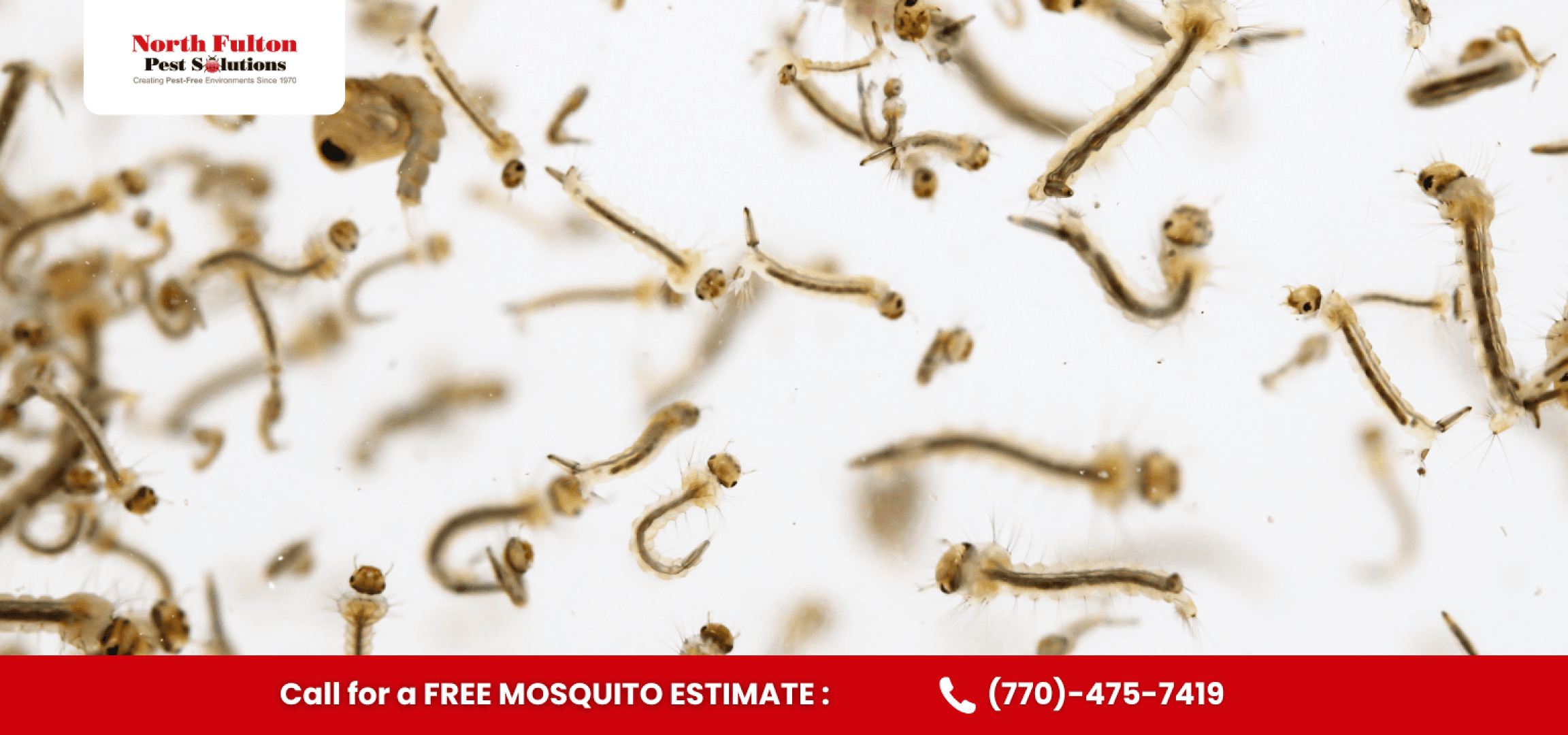
After eggs are laid in water, they hatch into larvae that live in the water and develop into pupae. Once the development process is complete, adult mosquitoes emerge and begin searching for resting areas and food sources.
In warm conditions, this entire cycle can occur within three to seven days, which is why mosquito activity often increases about a week after heavy rainfall.
When storms occur frequently, this cycle can repeat continuously throughout the season.
How Homeowners Can Reduce Mosquito Breeding
Reducing standing water around your home is one of the most effective ways to limit mosquito breeding. Simple maintenance steps can help reduce the number of potential breeding sites around your property.
Helpful prevention measures include:
- Regularly cleaning gutters to allow proper drainage
- Emptying containers that collect water
- Maintaining proper pool circulation
- Adjusting irrigation to prevent overspray
- Filling low spots in lawns where water collects
While these steps cannot eliminate mosquitoes entirely, they can significantly reduce breeding opportunities and help lower mosquito pressure around the home.
For properties where mosquito activity continues despite preventive measures, professional evaluation can help identify additional conditions that may be contributing to the problem. Our Mosquito Control in Dunwoody, GA services are designed to address both adult mosquitoes and developing populations through targeted treatment and monitoring.
When to Consider Professional Mosquito Control
In some situations, mosquitoes continue to return even after homeowners take steps to remove standing water. This can happen when nearby properties, drainage areas, or heavily shaded yards contribute to ongoing mosquito activity.
You may want to consider professional mosquito control if:
- Mosquito activity returns after storms
- Outdoor areas become uncomfortable to use
- Breeding sites are difficult to identify or eliminate
- Mosquito pressure increases each season
Professional mosquito control programs are designed to reduce both adult mosquitoes and developing larvae, helping interrupt the breeding cycle that occurs after rainfall.
Get a Free Mosquito Control Estimate in Dunwoody
Because mosquito development cycles move quickly in warm weather, even short periods of rain can lead to noticeable increases in activity.
GET A FREE ESTIMATE