
Ways to Reduce Mosquito Breeding in Dunwoody Yards
Mosquito activity is a common concern for homeowners throughout Dunwoody, especially during the warmer months when outdoor spaces are used more often. While mosquitoes are a natural part of the environment in the area, their numbers can increase quickly if breeding conditions are present around residential properties.
Understanding how mosquitoes reproduce — and taking steps to limit breeding opportunities — can help reduce mosquito pressure around your home and yard.
Why Mosquito Breeding Is Common in Dunwoody Yards
Several environmental factors make Dunwoody an ideal place for mosquitoes to reproduce. Warm temperatures, regular rainfall, and shaded residential landscapes create the moisture and shelter mosquitoes need to thrive.
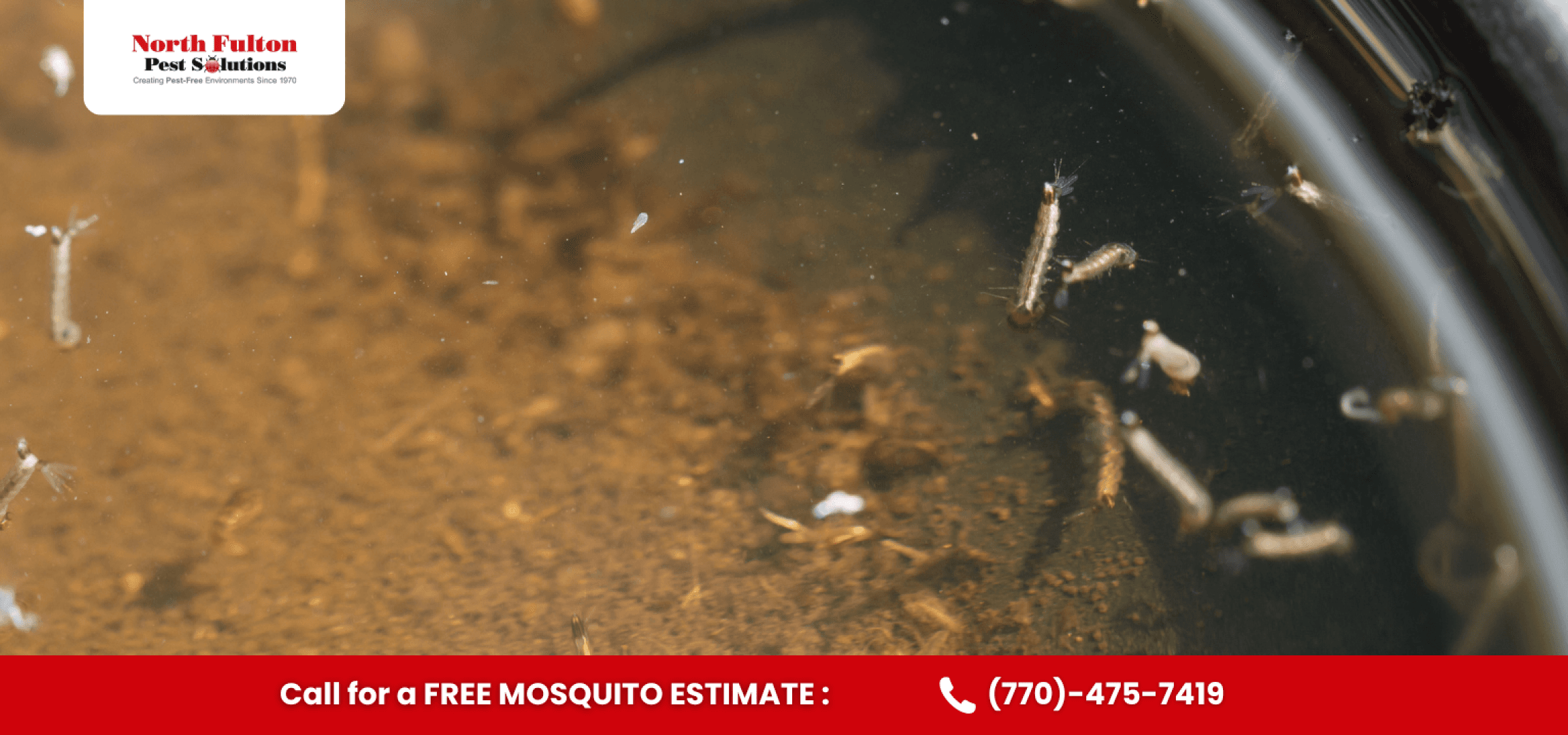
During the spring and summer months, frequent storms can leave small amounts of standing water around homes. Because mosquito larvae develop in stagnant water, even minor accumulations can become breeding sites.
Neighborhoods with mature trees, dense landscaping, and shaded yards often provide additional resting areas for adult mosquitoes during the day.
Understanding How Mosquitoes Breed
To reduce mosquito populations effectively, it helps to understand their lifecycle. Mosquitoes begin as eggs laid on or near standing water. Once the eggs hatch, larvae develop in the water before pupating eventually becoming adult mosquitoes.
In warm conditions like those commonly found in Dunwoody, this entire lifecycle can occur quickly — sometimes in as little as one week.
Because the process moves so rapidly, even temporary water sources that remain undisturbed for several days can support mosquito breeding.
Common Mosquito Breeding Areas Around Dunwoody Homes
Mosquitoes do not require large bodies of water to reproduce. Many breeding sites are small and easy to overlook during everyday yard maintenance.
Common mosquito breeding areas include:
- Clogged gutters where rainwater collects
- Plant trays and flowerpots that hold excess water
- Buckets, toys, or containers left outdoors
- Low spots in lawns where water pools after rain
- Drainage areas near downspouts
In shaded yards, water may take longer to evaporate, which increases the likelihood that mosquito larvae will have enough time to develop.
Regularly inspecting these areas can significantly reduce mosquito breeding opportunities.
Steps Homeowners Can Take to Reduce Mosquito Breeding
Simple yard maintenance can make a meaningful difference in limiting mosquito populations around your home.
Remove Standing Water Regularly
Mosquitoes rely on stagnant water to reproduce. Eliminating standing water removes their primary breeding environment. Check your yard after rainfall and empty containers that collect water.
Maintain Gutters and Drainage
Debris buildup in gutters can trap rainwater and create ideal mosquito breeding sites. Cleaning gutters and ensuring proper drainage helps prevent water accumulation.
Manage Landscaping and Shade
Dense vegetation and shaded areas provide resting places for adult mosquitoes during the day. Trimming shrubs and maintaining airflow around outdoor areas can make these spaces less attractive to mosquitoes.
Monitor Irrigation and Outdoor Water Sources
Overwatering lawns and gardens may create damp areas that support mosquito breeding. Adjust irrigation systems to avoid unnecessary water accumulation around the yard.
Why Mosquito Problems May Continue Despite Prevention
Even when homeowners take steps to reduce standing water, mosquito activity may still occur. This can happen for several reasons.
Mosquitoes can travel from nearby properties, wooded areas, or community drainage systems. Retention ponds, stormwater systems, and shaded public spaces may also contribute to mosquito populations.
Because mosquitoes can fly from nearby breeding areas, eliminating water sources on your own property may not completely remove mosquito activity.
For homeowners dealing with recurring mosquito pressure, professional evaluation can help identify contributing conditions that may not be immediately visible.
Our Mosquito Control in Dunwoody, GA services focus on identifying breeding areas, reducing adult mosquito populations, and helping interrupt the lifecycle that allows mosquitoes to multiply.
When to Consider Professional Mosquito Control
In some situations, mosquito activity continues despite basic prevention steps. This may occur when nearby breeding areas exist or when properties include extensive landscaping and shaded environments.
You may want to consider professional mosquito control if:
- 1Mosquito activity returns after rainfall
- 2Outdoor areas become difficult to enjoy due to bites
- 3Mosquito pressure appears to increase each year
- 4Breeding sites are difficult to locate or eliminate
Professional mosquito control programs typically combine targeted treatments with monitoring to help reduce both adult mosquitoes and developing larvae.
Get a Free Mosquito Control Estimate in Dunwoody
Mosquitoes are a common seasonal challenge in Dunwoody, but proactive prevention and targeted mosquito control can significantly reduce activity around your home.
If mosquito activity is making it difficult to enjoy your outdoor space, our team can help identify breeding areas and provide practical solutions designed to reduce mosquito pressure.