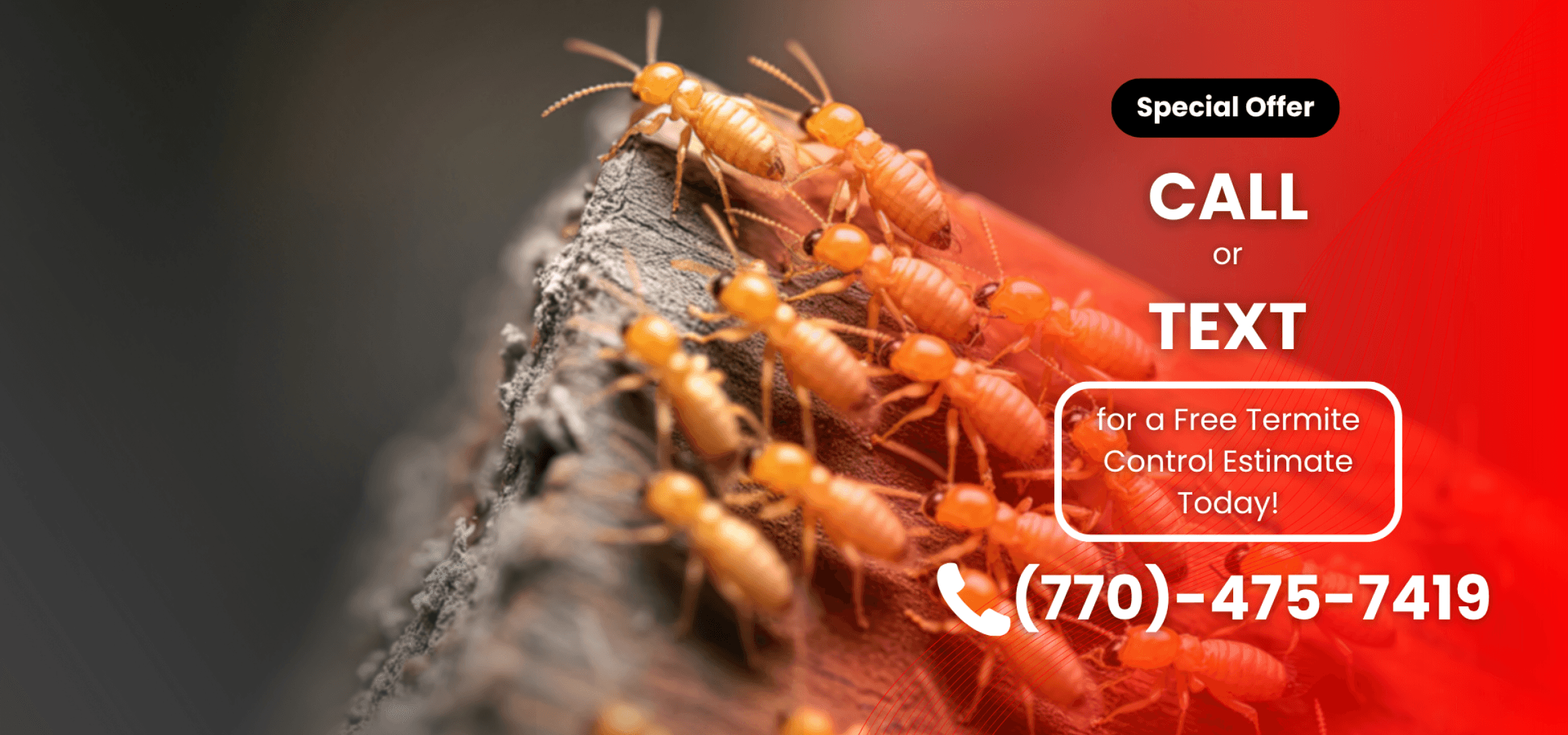
The 1st Step to Help Prevent Termites
Moisture is the engine behind most termite problems in Johns Creek. Along the Chattahoochee corridor, warm seasons, shaded lots, and frequent irrigation keep soil damp around foundations for long stretches of the year. That steady moisture draws subterranean termites to the perimeter of the home and lets them move, feed, and expand where wood touches or nears damp ground. The good news: targeted moisture management is one of the most effective, homeowner-friendly ways to help prevent termites in Johns Creek — and it makes any professional treatment work better, for your peace of mind.
Below, our team shares a practical playbook you can use around St Ives, Country Club of the South, Seven Oaks, Doublegate, Rivermont, Wellington, Johns Creek Walk, and neighboring communities.
Why Moisture Matters So Much in Johns Creek
Termites seek out steady humidity and protected travel routes. Johns Creek’s mature canopy, mulch-heavy beds, and summer irrigation often keep the perimeter damp. Add in late-day storms and low spots that hold water and you’ve got ideal conditions for foraging. When moisture is managed — diverted, dried, and reduced — termites have fewer places to travel and fewer opportunities to reach wooden elements. That’s why moisture work is often the first step in termite prevention in Johns Creek and the foundation of our treatment plans.
The Homeowner Moisture Audit (Weekend-Ready)
Walk your property after a rain or irrigation cycle and take notes. A quick, consistent routine goes a long way:
Downspouts and gutters:
Scan for clogs, overflows, or short downspouts that dump water near the foundation. Add extensions or splash blocks so water moves well away from the home. In shaded streetscapes off Abbotts Bridge (GA-120) and Medlock Bridge Rd, leaf debris builds fast — clean gutters seasonally and after storms.
Low spots and grading:
Look for puddles along the perimeter or places where mulch feels soggy days after rain. Add soil to create a gentle slope away from the home and re-sod if needed. Even small depressions can keep the soil damp enough to attract termites.
Irrigation overspray:
Sprinklers that hit brick, siding, or the driveway edge can push moisture back toward the perimeter. Angle heads, shorten run times, and set an early-morning schedule to reduce lingering dampness. Drip lines in planting beds can be helpful — just avoid constant saturation.
Mulch management:
Keep a 6 inch gap between mulch and the foundation edge. Pull mulch back from brick ledges and do not bury the transition between soil and exterior cladding. Consider alternating mulch with stone edging in chronic damp zones for better drainage.
Wood-to-ground contacts:
Check landscape timbers, fence posts near the house, decorative edging, and steps. Where possible, elevate wood off the soil using masonry or composite materials, and avoid stacking boards, firewood, or lumber against exterior walls.
Leaks and drips:
Repair hose-bib drips, A/C condensate pooling, and irrigation leaks. Inside, check under sinks and around water heaters for slow leaks that can wick moisture through walls and to lower areas of the home.
Heavy vegetation:
Trim shrubs 12–18 inches off exterior walls to let air and sunlight reach the base of the house. Thinning dense plantings helps dry out perpetual shade pockets common in Shakerag/Autry Mill and Newtown/Ocee.
Termite RED FLAGS You’ll Notice Sooner with Good Moisture Habits
- Discarded wings at door thresholds and windows, especially after warm rain.
- Earthen tubes forming along the foundation or at garage joints.
- Soft, bubbling paint or hollow-sounding trim near damp areas.
When moisture is managed, these signs stand out early — and that early detection is key. If you see any of the above, Call Us to Schedule a Free Estimate for a professional inspection and treatment plan.
How moisture management supports professional termite control
Whether we deploy non-repellent liquids or a baiting system around your property, moisture reduction helps in three big ways:
1. Fewer conducive conditions:
Dry, well-drained perimeters are harder for termites to traverse and less attractive for foraging.
2. Better application performance:
Exterior barriers and stations perform more consistently when water isn’t constantly washing over surfaces or pooling near the foundation.
3. Clearer verification:
With less background moisture, it’s easier to confirm that new tubes have stopped appearing and station activity is trending down.
If you’re weighing treatment options, our Termite Control Johns Creek page explains how Sentricon® with Always Active™ and non-repellent liquids (e.g., Termidor®) work, plus when a hybrid plan makes sense — Delivering Responsible Solutions, for your peace of mind.
A Simple 30 Day Plan to Help Prevent Termites in Johns Creek
Days 1 – 7: Redirect and dry
- Clean gutters; add/repair downspout extensions or splash blocks.
- Identify and fill low spots that hold water after rain.
- Pull mulch back 6 inches from the foundation edge.
- Trim vegetation touching the home for airflow and quicker dry-out.
Days 8 – 14: Fix and fine-tune
- Repair hose-bib drips and irrigation leaks; re-aim overspraying heads.
- Elevate wood landscaping pieces and move stored lumber/firewood away from exterior walls.
- Inspect for wing piles or earthen tubes and photograph anything suspicious.
Days 15 – 30: Monitor and maintain
- Walk the perimeter after storms; confirm water moves away from the home.
- Re-check problem zones you noted earlier; adjust grade if needed.
- If you spotted wings, tubes, or suspicious trim, Call Us to Schedule a Free Estimate. We’ll confirm activity and build a plan that fits your home.
Moisture Management by Area of the Property
- 1Perimeter & beds: Aim for breathable, tidy beds. Avoid mounding mulch against the foundation. Use stone borders in chronically damp areas near hose connections or spigots.
- 2Patio and hardscape edges: Where patios or walkways hold water against the house, add small drainage cuts or re-set pavers for a slight outward fall. Keep planter boxes off the ground on risers so air can pass underneath.
- 3Garage & utility penetrations: Moisture along garage joints and utility entrances can hide early signs. Seal gaps around cable, gas, and HVAC lines with mesh and appropriate sealant; this reduces both moisture intrusion and pest access.
- 4Beneath the home & lower areas: Look for musty smells or persistent dampness after rain. Improve ventilation pathways, control nearby runoff, and confirm downspouts aren’t discharging beside foundation walls.
Common Mistakes that Keep Termites Coming Back
- Short downspouts that dump water right at the corner of the house.
- Burying the brick ledge with dirt or mulch.
- Irrigation that runs daily, even when beds are already wet.
- Wood stacked against exterior walls or laid directly on soil.
- Ignoring small depressions where puddles linger for days.
Each fix is small, but together they dramatically reduce conducive conditions and support lasting termite prevention in Johns Creek.
How Our Team Ties It All Together
When you call us for a termite estimate, we don’t just look for swarmers or tubes. We map moisture sources, note landscaping and drainage issues, and then recommend a plan that combines moisture reduction with targeted treatment — non-repellent liquids, Sentricon® with Always Active™, or a hybrid approach. We document what we find, outline homeowner steps that help prevent future issues, and schedule follow-ups to verify results — for your peace of mind.
Want a broader home plan that addresses ants, roaches, and other invaders alongside termite protection? See our pest control Johns Creek services for ongoing monitoring and prevention.
Quick checklist
You can print
Frequently Asked Questions
Special Offer for Johns Creek Residents