
Understanding Mosquito Pressure in Atlanta Neighborhoods
Atlanta’s late day thunderstorms, mature tree canopies, and neighborhood retention ponds create reliable mosquito pressure from spring through fall. If you’ve noticed bites after rain, you’re not imagining it — local storm and shade patterns give mosquitoes the water and cover they need to breed and rest. This guide explains why activity spikes here, where breeding actually happens in typical Atlanta yards, and what a responsible professional program includes so you can reduce bites and keep results steady through the season.
For a tailored plan that fits Atlanta’s storm cycles and shady lots, explore our mosquito control in Atlanta program.
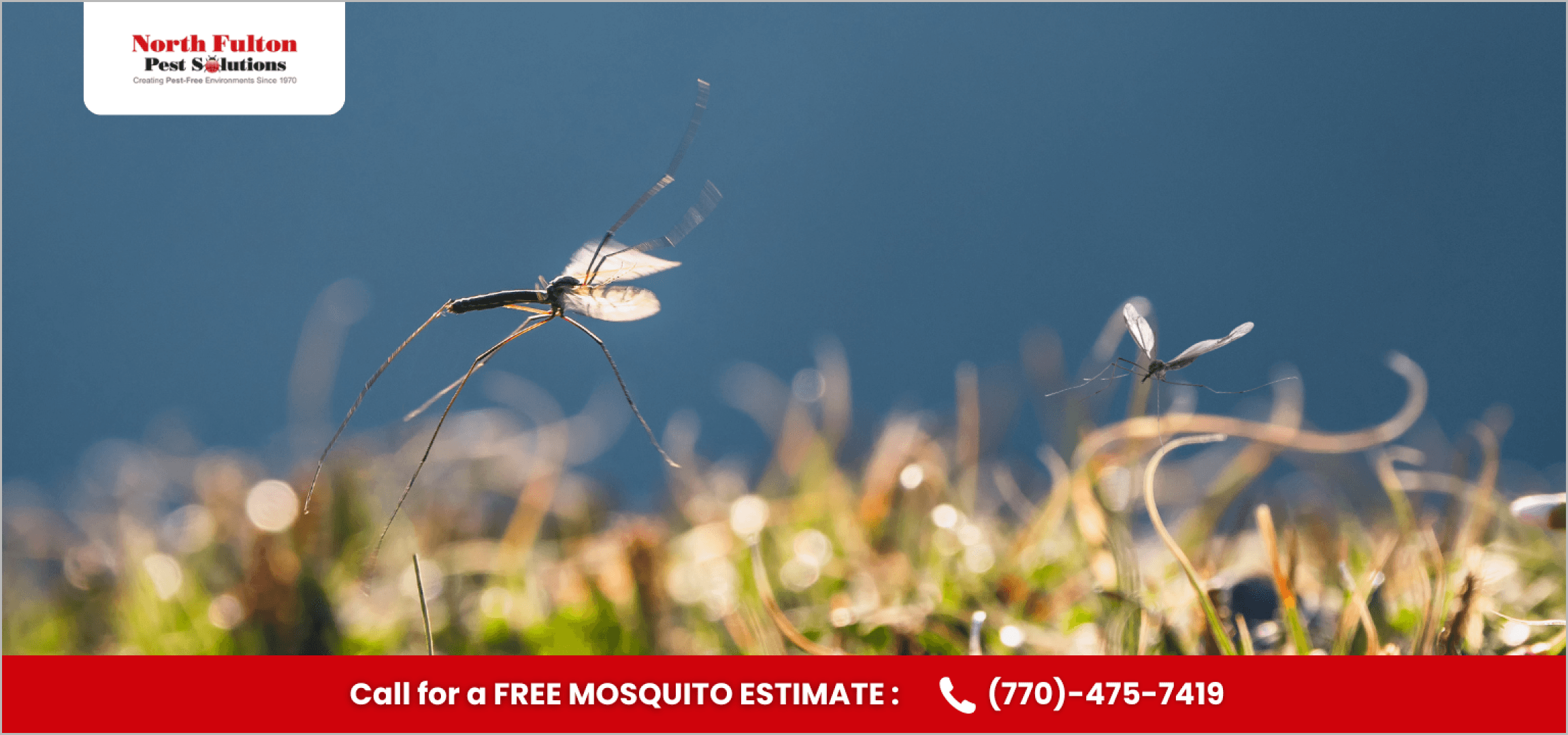
Why Atlanta yards spike with mosquitoes after late - day storms
Short, heavy pop up storms leave thin films of water on hardscape and patio edges just as temperatures ease in the evening — prime conditions for mosquitoes to lay eggs. Add irrigation that oversprays onto walls and plant beds, and you get durable moisture along the home’s perimeter that supports fast life cycles. Under a dense canopy (oaks, maples, crepe myrtles), the undersides of leaves stay cool and humid, giving adult mosquitoes comfortable “resting zones” close to your seating areas. In many neighborhoods, stormwater features and retention ponds further stabilize local populations after repeated rain events.
What You Can Do Today
(quick wins)
Dump and dry containers every 2 – 3 days: planters, saucers, toys, lids, grill covers, tarp pockets, and birdbaths.
Re-aim irrigation heads off walls and hardscape; water earlier in the morning, not evenings.
Create airflow at the patio with a box or oscillating fan during peak hours to make landings harder.
Where Breeding Actually Happens (and what most people miss)
Most homeowners picture “swamps,” but Atlanta mosquito breeding is often hyper local and container based. A bottle cap of water for a few days is enough.
Common, high - yield hotspots we see in Atlanta yards:
- Gutters and downspouts that hold water after storms — especially with leaf debris.
- Tarp pockets over grills, furniture, or firewood that collect thin films of water.
- Planter saucers and rimmed pots that don’t fully dry under dense shade.
- Under deck voids where condensation and run off persist.
- HVAC pads and low spots near the perimeter where water pools after heavy rain.
- Lids, toys, and yard tools left horizontally (flip or store vertically).
Rain Barrels: Keep the Capture, Block the Mosquitoes
- Keep a 6 inch mulch gap along the home’s perimeter to reduce constant edge moisture.
- Thin dense shrubs and trim foliage 12–18 inches off exterior walls to improve dry-out and cut shaded resting harborage.
- Add splash blocks or extensions so downspouts move water away from the structure.
What a responsible professional program includes
A results-oriented approach pairs practical yard habits with targeted, environmentally responsible treatments. Here’s how our local program is structured for Atlanta conditions:
STEP 1
Inspect & identify: Note water, shade, gutters, hotspots.
STEP 2
Targeted applications: Treat resting plants & select sites.
STEP 3
Monitor & adjust: Follow up and tune timing/applications.
What improvement to expect (typical timelines)
With “dump and dry” plus your first service, most homes notice fewer bites around main seating areas.
Trimming vegetation, re - aiming irrigation, and maintaining the mulch gap further reduce pressure.
A monthly cadence in peak season — adjusted for storms and shade — usually maintains results.
For a Free Estimate, Call or Text Today!
(770) 475-7419Atlanta Homeowner Checklist
(small habits, big payoff)
When a Professional Program Makes Sense
- You still get bites 24–48 hours after rain despite dumping/drying containers.
- Shaded vegetation and dense plantings make DIY control inconsistent.
- You want a documented plan with clear follow-ups and adjustments as weather shifts.
- You’re preparing for graduations, holidays, or backyard events and want steadier comfort.