
Are You an “Atlanta Mosquito Magnet”? Habits, Scents, and Fixes That Actually Help
Atlanta’s late day storms, warm evenings, and mature shade can make some people feel like they’re getting all the bites. While biology varies person to person, there are evidence informed habits that meaningfully influence how attractive you appear to mosquitoes — plus simple yard changes that lower overall pressure. Below is a practical guide (no scare tactics, no medical claims) you can use tonight.
For a yard plan tuned to Atlanta’s storm and shade pattern, our professional mosquito control in Atlanta, GA maps hotspots and targets resting/breeding zones for consistent results.
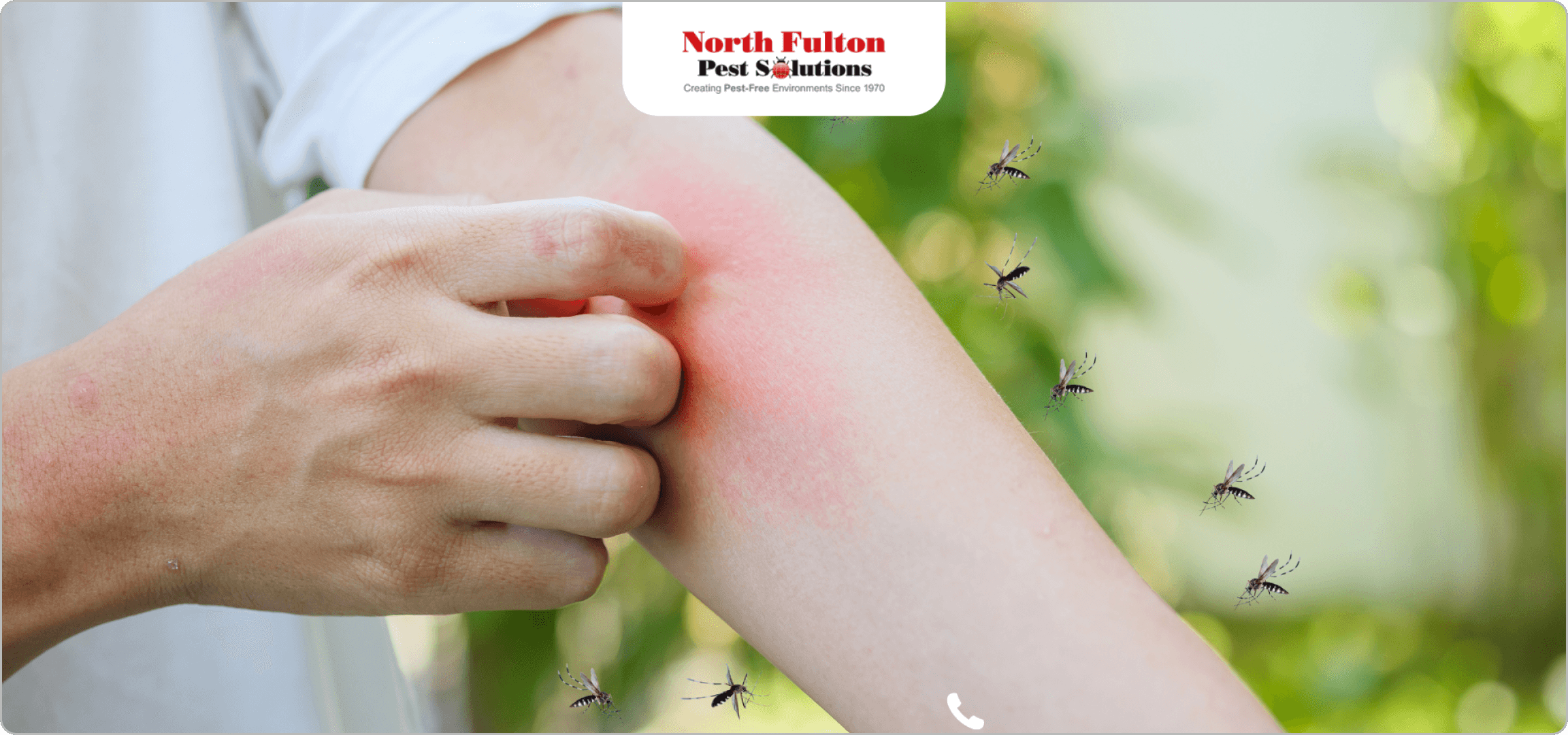
Why Some People Get Bitten More (what mosquitoes cue on)
- Exhaled CO₂ & body heat.: Higher exertion and warmer skin make you easier to find.
- Skin odors from microbes & sweat.: Natural skin chemistry varies; fresh sweat, lactic acid, and scent residues can increase attention.
- Dark, tight clothing.: Dark colors absorb heat and create visual contrast.
- Timing after storms.: Humid, calm nights following pop-up showers are prime time in Atlanta.
What this means:
Focus on cooling airflow, minimizing scent/heat signals, and reducing nearby yard moisture to help reduce landings.
Quick Personal Tweaks (habits & scents)
Clothing & gear
- Choose light-colored, loose-fitting, tightly woven fabrics.
- Consider permethrin-treated apparel (use as labeled).
- Cover ankles and lower legs when you can — common landing zones at dusk.
Sweat/CO₂ management
- If you’ve exercised or done yard work, cool down and do a quick rinse or shirt change before relaxing outdoors.
- Add a fan where you sit — moving air disperses CO₂ and makes flight/landing harder.
Fragrances & products
- Go fragrance - free outdoors when possible; sweet/fruity florals can draw insects.
- Rinse sticky residues (sunscreens/gels) from hands before handling food or drinks.
Repellents (what actually helps)
- Use EPA-registered actives (e.g., DEET, picaridin, IR3535, oil of lemon eucalyptus) exactly as directed.
- Reapply per label after sweating or towel-drying.
- Citronella candles: helpful supplements at close range, but not a standalone fix.
Yard Moisture & Micro-sites (the real breeding sources)
Atlanta breeding is often container based — a bottle cap of water for a few days is enough.
every 2 – 3 days: planters/saucers, toys, lids, grill covers, and tarp pockets.
clear after storms; add splash blocks or extensions so water moves away from the house.
maintain a 6" mulch gap and re-aim irrigation off walls/hardscape.
trim shrubs 12 – 18" off exterior walls and thin dense beds so surfaces dry faster.
keep water moving (pumps/aerators), screen inlets/overflows, and refresh birdbaths frequently; use labeled larvicides only where appropriate and permitted.
Airflow, Lighting, and Layout (reduce landings fast)
Run a ceiling or box fan across seating (not straight down). Two small fans from opposite corners create a gentle cross-breeze; a low fan at ankle height helps during meals.
Swap bright, cool white bulbs for warm/yellow near people. Put brighter floods on timers or motion and position them away from seating so insects drift to the perimeter.
Pull seating off hedges 2 – 3 ft; lift low branches (6 – 12") to open ground level air; keep plants 12 – 18" off walls to speed dry-out after storms.
For a Free Estimate, Call or Text Today!
(770) 475-7419A Simple “Mosquito Magnet” Checklist
(for your Atlanta home)
When to Consider a Professional Program
- Bites persist 24 – 48 hours post rain despite habits/airflow and an EPA - registered repellent.
- Your yard has dense shade, water features, or complex landscaping that make DIY control inconsistent.
- You want a documented plan — inspect → target → monitor—with clear re-entry guidance and seasonal adjustments.